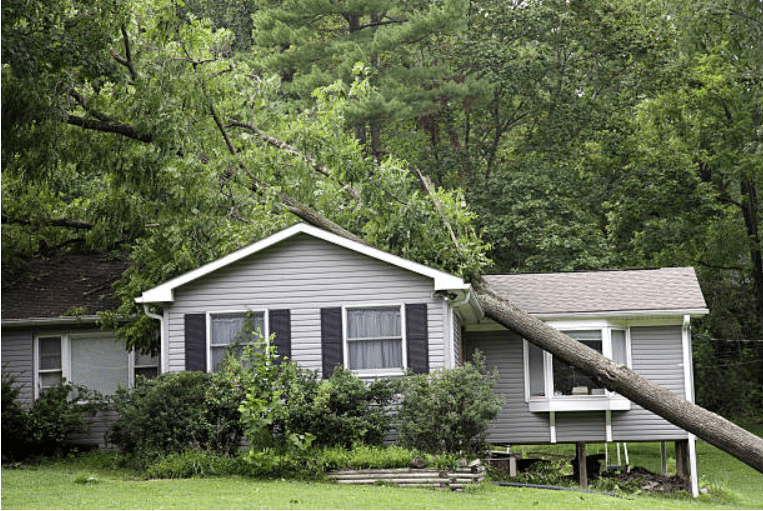
A storm-proof roof in Middletown is essential for protecting homes from severe weather conditions, including high winds, hail, and heavy rainfall. Given the increasing frequency of storms in the region, homeowners must take proactive measures to ensure their roofs can withstand extreme weather events. This guide will explore the best strategies to fortify your storm-proof roof in Middletown, helping safeguard your property and loved ones.
Middletown’s climate exposes homes to various storm-related challenges, including high winds, hail, and heavy rainfall. These elements can compromise roofing integrity, leading to leaks, structural damage, and costly repairs. Notably, windstorms have been observed to cause extensive damage to roofs, especially those with inadequate connections or overhangs (FEMA).
Given these statistics, homeowners must take proactive measures to enhance their storm-proof roof in Middletown.
It’s always important to ensure your home is safe and ready to withstand a storm, particularly if you live in an area prone to severe weather events. A crucial part of this process is evaluating your storm-proof roof in Middletown. The following are key factors to consider:
With time, all materials degrade and become less effective. Roofs, in particular, are subjected to constant exposure to outdoor elements, causing the materials to wear out faster. If your roof is over 15-20 years old, it may be time to consider a replacement. According to the National Association of Home Builders, a typical asphalt shingle roof can last 20 years. On the other hand, a metal roof can last 40 to 80 years.
Different materials offer varying degrees of resistance against the elements. Traditional asphalt shingles, while popular, may be less resistant to storm damage compared to modern alternatives. For instance:
Review your roof for existing issues like missing shingles, minor leaks, sagging, or damp spots inside your home, which can imply a leaky roof. These issues can worsen during storms if not addressed promptly. It is recommended that you carry out routine roof maintenance checks at least twice a year.
The design and structure of a roof can significantly influence its resistance to storms. For example, hip roofs (roofs with slopes on all four sides) perform better in high winds compared to gable roofs (roofs with two slopes which form a ‘peak’). They have an aerodynamic shape that provides less resistance to wind.
In addition to these factors, here’s a Roof Readiness Checklist that you can use to ensure optimum storm-readiness:
| Checklist Item | Action |
| Roof Age | Consider replacement if older than 15-20 years |
| Roof Material | Choose materials that offer high resistance to storm damage |
| Roof Safety Check | Inspect for missing shingles, leaks, or sagging; repair if necessary |
| Roof Design | Opt for designs that better withstand high winds (like hip roofs) |
By paying attention to these factors, you can effectively assess your roof’s readiness for a storm and take preventive measures to protect your home from storm damage.
When planning for a storm-proof roof, the focus should be on selecting quality materials that can comfortably withstand the elements. Impact-resistant materials with a Class 4 rating, the highest obtainable, are highly recommended due to their ability to resist hail and debris effectively. As detailed by global safety science firm UL Solutions, these Class 4-rated materials are capable of withstanding 2-inch hailstones without breaking. Understanding the different types of storm-resistant roofing materials can guide homeowners in making more informed decisions.
Here are notable options for storm-proof roofing materials, each with unique benefits:
To choose the right roofing material for your home, consider the following comparison table:
| Material | Life Expectancy (Years) | Cost (Per Square Foot) | Wind Resistance (mph) |
| Metal Roofing | 40-70 | $5-$12 | 140 |
| Architectural Shingles | 15-25 | $3.50-$5 | 110-130 |
| Tile & Slate Roofing | 50-100 | $10-$20 | 125 |
| Synthetic Roofing Materials | 50+ | $5-$12 | 110-130 |
In conclusion, making an informed decision on the best storm-resistant roofing material will depend on factors such as expected lifespan, cost, and wind resistance. Assessing these factors based on your specific needs and local weather patterns will ensure a durable, secure, and long-lasting roof.
A weather-resistant roofing system is essential in protecting your home from strong winds, heavy rains, and other severe weather conditions. In addition to the materials used, the structural integrity of your storm-proof roof in Middletown plays a pivotal role in storm resistance. For that reason, considering the following enhancements can significantly increase your roof’s resistance to storm conditions:
Robust roof-to-wall connections are crucial in ensuring the roof remains anchored during high winds. These connections help bind the roof and the house together, preventing a catastrophic event wherein the roof gets blown away. The Federal Emergency Management Agency (FEMA) recommends strengthening these connections using hurricane straps or clips for added security. These hardware pieces are installed to run over the top of the rafter or truss, with one end fastened to the wall and the other to the rafter or truss.
Roofs should have proper sheathing installed. Using thicker or impact-resistant sheathing can prevent wind uplift and improve overall roof stability. This functions as the base layer on which shingles or other roofing materials are installed.
The choice of fasteners and nailing patterns also have a significant impact on a roof’s storm-resistance. Using ring-shank nails instead of staples significantly increases a roof’s resistance to wind damage. A study by the Florida Building Code Centre found that enhanced nailing patterns can improve wind resistance by up to 30%. Furthermore, the Insurance Institute for Business & Home Safety recommends using at least six nails per shingle when you live in a high-wind area.
Gable roofs are particularly susceptible to wind damage. Fortification methods such as providing adequate bracing to gable ends can help to minimize wind damage.
Here is a tabular representation to help you understand the different upgrade options for a reliable storm-proof roof:
| Enhancement | Description | Benefits |
| Roof-to-wall connections | Hurricane straps or clips installed to enhance connection between roof and house walls | Greater security against strong winds |
| Sheathing upgrades | Opting for thicker or impact-resistant sheathing | Potentially improve wind uplift resistance by about 40% |
| Fasteners & nailing patterns | Using ring-shank nails and enhanced nailing patterns | Can improve wind resistance by up to 30% |
| Bracing gable ends | Providing extra support for gable roofs | Minimizes wind damage |
By upgrading your roof using these enhancements, you can ensure your storm-proof roof in Middletown withstands the most challenging weather conditions and protects the interiors of your home effectively.
Routine maintenance is essential for early detection and remediation of potential vulnerabilities. Homeowners should:
Regular checks, especially before and after storm seasons, can identify and address issues promptly.
Removing leaves, branches, and other debris prevents water accumulation and potential damage.
Timely replacement of damaged shingles maintains the roof’s protective barrier.
Effective water drainage is vital during heavy rains. Ensure gutters are:
Proper ventilation regulates temperature and moisture levels, reducing the risk of structural damage. Homeowners should:
These facilitate proper airflow, preventing moisture buildup that could weaken the roof structure.
An extra barrier beneath shingles can prevent leaks and provide additional protection against heavy rains.
Ensuring adequate insurance coverage is a critical aspect of storm preparedness. Homeowners should:
Despite preventive measures, unforeseen circumstances can arise. Being prepared includes:
Establish evacuation routes and safety protocols for family members.
Include essentials such as flashlights, batteries, first-aid supplies, and important documents.
Determine the safest spots in your home during severe weather events.
A storm-proof roof in Middletown is a necessity for homeowners looking to protect their property from severe weather. By investing in high-quality materials, reinforcing structural integrity, performing routine maintenance, and securing proper insurance coverage, you can ensure long-term protection against storms.
With Middletown’s unpredictable weather, staying proactive in roof maintenance and storm-proofing is more than just a precaution—it’s a necessity. If you’re unsure about your storm-proof roof in Middletown, schedule a free inspection with a trusted roofing contractor today.

Hosted and Maintained by Convey2web.