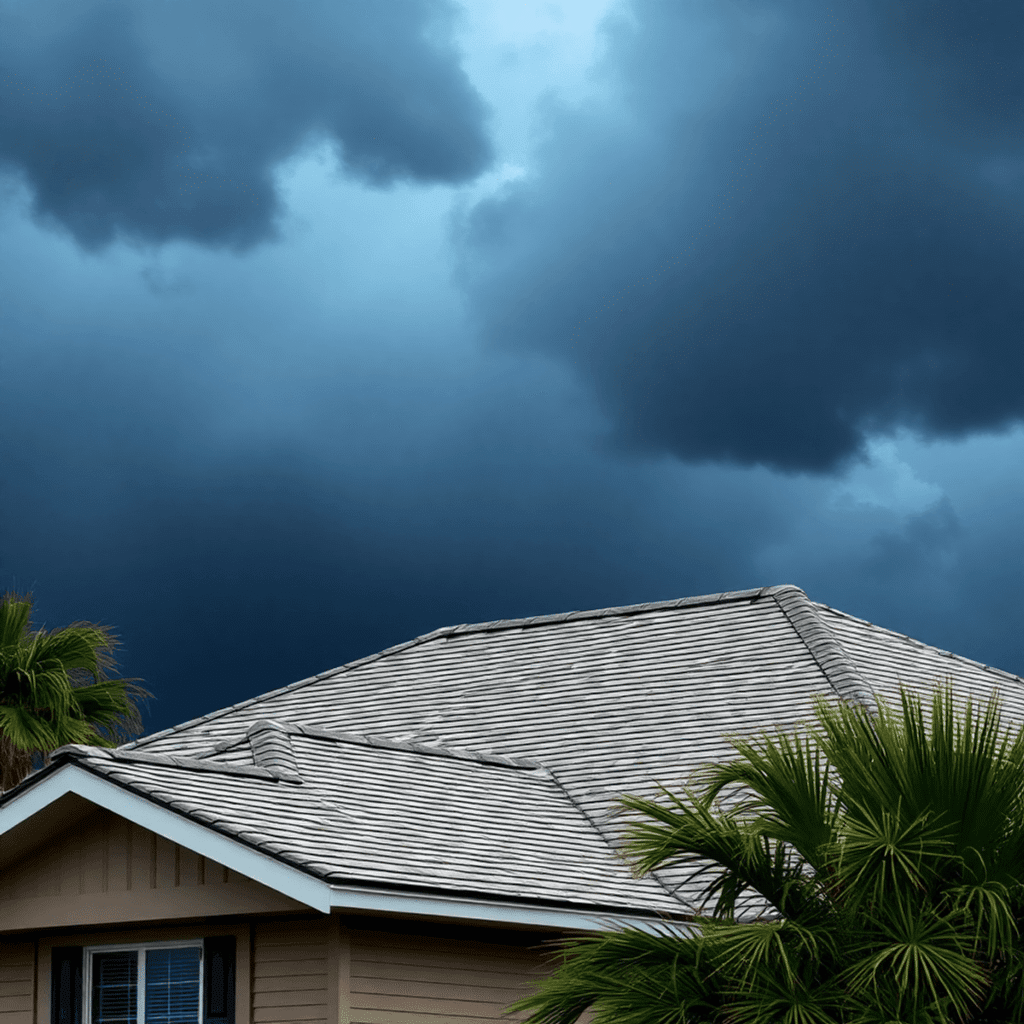
Living in Wilmington means experiencing the raw power of hurricane season from June through November. These intense storms bring destructive winds reaching up to 157 mph, torrential rains, and storm surges that put our homes—particularly our roofs—to the ultimate test. Having a roofer in Wilmington by your side can be truly life saving for you.
Your roof serves as your home’s first line of defense against these powerful forces of nature. A well-maintained roof can mean the difference between:
Recent data shows that roof damage accounts for 80% of hurricane-related home insurance claims in Wilmington. The good news? Proper preparation can prevent most storm-related roof issues.
Local roofing experts stress that hurricane-ready roofs aren’t just about immediate safety—they’re an investment in your home’s long-term protection. A sturdy, well-maintained roof system can withstand severe weather conditions and protect your valuable assets beneath it.
Different roof types in Wilmington face unique challenges during hurricane season. Let’s examine how each common roofing material holds up against severe weather:
Water infiltration through microscopic cracks, weakened structural supports, mold growth in poorly ventilated areas, compressed or wet insulation, rotting wooden components beneath shingles
These vulnerabilities highlight the importance of understanding your specific roof type and its potential weak points during hurricane conditions.
Professional roof inspections are crucial in protecting your home from hurricane damage. Local roofers have the knowledge and experience to spot warning signs that may go unnoticed by untrained individuals. Using advanced tools and methods, these experts evaluate the strength of your roof and identify any weaknesses before they turn into major problems.
Here are some key advantages of getting a professional roof inspection:
Professional inspectors often find hidden problems that homeowners usually miss:
Regular professional maintenance extends your roof’s lifespan through targeted repairs and preventive measures. Local roofers in wilmington can reinforce weak points, replace damaged materials, and update outdated components to meet current hurricane resistance standards. Their expertise helps create a comprehensive maintenance plan tailored to your specific roof type and local weather conditions.
Professional inspections also reveal potential insurance compliance issues. Many insurance policies require documented proof of regular maintenance and professional assessments to maintain coverage for hurricane damage.
Protecting your roof during hurricane season requires specific maintenance tasks and structural reinforcements. Here’s what you need to focus on:
Hurricane straps are metal fasteners that create a continuous connection from your roof to your home’s foundation.
These essential reinforcements:
A properly reinforced roof system can withstand wind speeds up to 130 mph when all components work together. The right combination of maintenance and structural improvements creates a robust defense against hurricane-force winds and heavy rains.
Professional roofers in wilmington can assess your current roof structure and recommend specific reinforcements based on your home’s architecture and local building codes. These improvements might seem costly upfront but provide essential protection during severe weather events.
Living in Wilmington’s hurricane zone requires a strategic approach to insurance coverage. Standard homeowner’s insurance policies might not provide adequate protection against hurricane-related damages.
Many Wilmington homeowners discover coverage gaps after a storm hits. A thorough policy review with your insurance agent helps identify potential vulnerabilities. Local insurance providers understand regional risks and can recommend appropriate coverage levels based on your roof’s age, condition, and construction type.
Local roofing services in Wilmington offer specialized expertise in hurricane preparation. These professionals understand the unique challenges our coastal climate presents and provide targeted solutions to protect your home.
Local roofers bring valuable regional experience to every job. They understand Wilmington’s weather patterns and building codes, ensuring your roof meets local standards for hurricane resistance. These professionals can create customized preparation plans based on your roof’s specific needs and age.
Many local roofing companies offer maintenance packages designed specifically for hurricane season. These services can be scheduled regularly throughout the year to maintain optimal roof protection and prevent last-minute scrambles when storms approach.
The aftermath of a hurricane demands immediate attention to your roof’s condition. Hidden damages can escalate into major problems if left unchecked.
When damage is discovered, take immediate action:
Professional roofers can spot subtle damage patterns that might escape untrained eyes. They’ll assess structural integrity, identify potential weak points, and provide detailed repair recommendations. A thorough inspection helps prevent future complications and strengthens your insurance claims.
Your roof is your home’s first line of defense against Wilmington’s hurricane season. A well-maintained roof can mean the difference between safety and costly damage during severe weather events.
Take action now:
Don’t wait for storm warnings to start thinking about roof protection. Investing in preventive maintenance and professional expertise brings peace of mind and protects your property.
Remember: Being prepared for hurricanes is something you should do all year round. Local roofing experts know about Wilmington’s specific weather problems and can offer customized solutions for your home’s needs.
Ready to safeguard your home? Contact a qualified local roofer today to assess your roof’s hurricane readiness. Your family’s safety and your home’s protection deserve nothing less than expert care and attention.
Common roof types in Wilmington include asphalt shingles, clay tiles, and metal roofs. Each type has its vulnerabilities; for instance, asphalt shingles can lose granules or go missing during strong winds, clay tiles may crack or break, and metal roofs can rust if not properly maintained. Understanding these risks can help homeowners take preventive measures.
Professional roof inspections are crucial as they help identify issues that homeowners may overlook, such as hidden leaks or structural weaknesses. Local roofers possess the expertise to assess the condition of your roof accurately and recommend necessary repairs or reinforcements, ultimately extending the lifespan of your roof and enhancing its resilience against storms.
Key maintenance tasks include cleaning gutters to ensure proper drainage, trimming overhanging tree branches that could fall on your roof, and installing hurricane straps which provide additional wind resistance. Regular inspections and addressing minor repairs can significantly improve your roof’s ability to withstand hurricane conditions.
Homeowners in Wilmington should ensure they have adequate homeowner’s insurance coverage that specifically includes protection against hurricanes and floods. Reviewing your policy with an insurance agent can help you understand what is covered and whether additional flood insurance is necessary based on your location.
After a storm, it’s vital to conduct a post-storm inspection of your roof to identify any hidden damages such as missing shingles or leaks. Look for signs of damage like water stains on ceilings or walls. If you suspect damage, contact local roofing services promptly for a thorough assessment and necessary repairs.

Hosted and Maintained by Convey2web.